
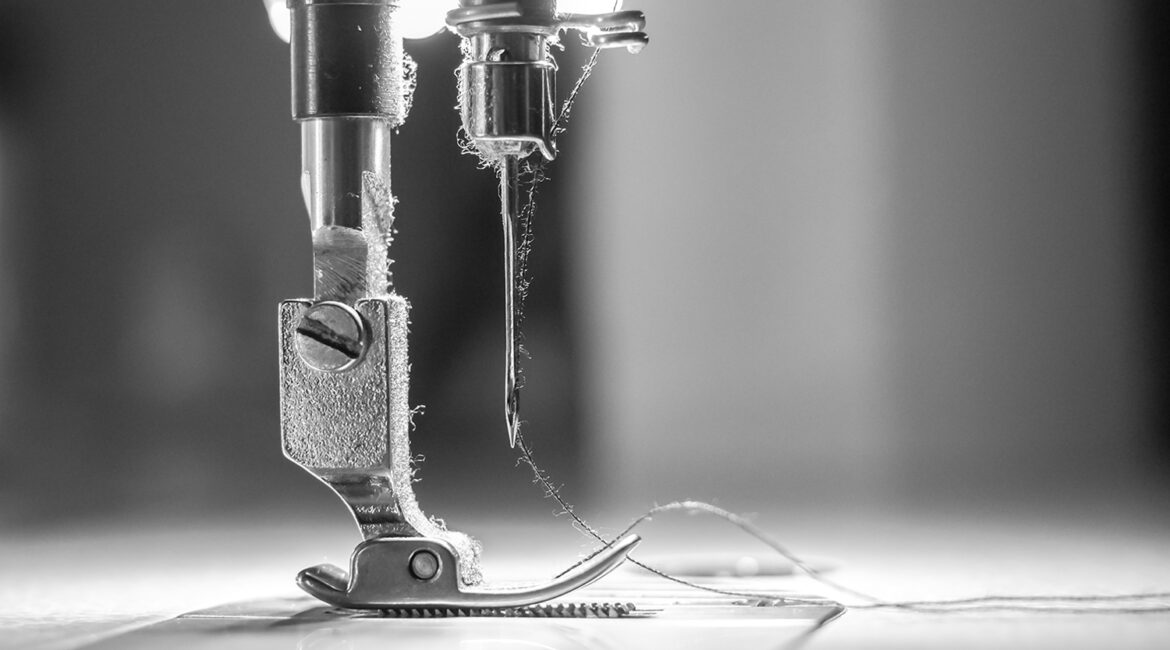
When businesses think of contract sewing, they often picture rows of sewing machines stitching fabric together. While industrial sewing is an essential part of the process, today’s contract textile manufacturing involves much more than a needle and thread.
From precision cutting and fiber processing to complex product assembly, a full-service contract manufacturer can provide the specialized equipment, experience, and production capabilities needed to bring established products to market efficiently.
For companies seeking dependable, high-volume manufacturing, understanding these capabilities can make all the difference when choosing the right Cut & Sew Manufacturing production partner.
1. Precision Cutting: Where Quality Begins
Before a product reaches the sewing floor, materials must be accurately cut to meet specific dimensions and requirements.
Computerized fabric cutting and die-cutting equipment help ensure precision and consistency, especially when producing large quantities or working with complex shapes.
Accurate cutting can also help reduce material waste, improve production efficiency, and ensure components fit together properly during assembly.
For businesses manufacturing products with multiple fabric layers, foam components, or intricate patterns, precision cutting is an important first step toward consistent finished products.
2. Industrial Sewing: More Than Basic Stitching
Industrial Cutting & Sewing requires specialized equipment and experienced operators capable of working with a wide variety of materials, product sizes, and construction requirements.
Unlike traditional sewing operations, high-volume industrial sewing manufacturers use equipment designed for efficient, repeatable production.
Capabilities such as automated pattern sewing, heavy-duty stitching, and specialized material handling allow manufacturers to produce everything from orthopedic supports and industrial covers to automotive and marine products.
Working with an experienced industrial sewing partner helps ensure products are manufactured consistently while meeting demanding production schedules.
3. Fiber Processing and Foam Conversion: Adding Comfort and Function
Many sewn products require more than fabric alone. Fiber and foam components play an important role in providing cushioning, structure, protection, and support.
Specialized fiber processing equipment allows manufacturers to produce consistent filling for pillows, cushions, and positioning products.
Foam conversion capabilities provide additional options for products requiring specific shapes, dimensions, or support characteristics.
These services are particularly valuable for manufacturers of medical positioning products, seating cushions, protective padding, and other specialty textile goods.
By combining these processes with industrial sewing, manufacturers can streamline production and help maintain consistent quality across multiple components.
4. Complex Products and Components: Bringing It All Together
Some products require much more than straightforward sewing. They may incorporate multiple fabric layers, foam inserts, straps, buckles, hook-and-loop closures, or other specialized components.
Manufacturing these products successfully requires careful coordination, experienced personnel, and equipment capable of handling complex construction requirements.
A full-service contract manufacturer can help manage the cutting, sewing, component integration, and assembly processes needed to produce finished products or subassemblies.
This is especially important for industries such as medical, military, automotive, marine, and industrial safety, where products may need to meet precise specifications and demanding performance requirements.
Having multiple manufacturing capabilities under one roof can simplify production, improve consistency, and reduce the need to coordinate with multiple suppliers.
5. Finishing, Labeling, and Packaging: The Final Steps Matter
Manufacturing doesn’t end when the last seam is sewn.
Depending on the product, additional services such as labeling, screen printing, final inspection, and packaging may be needed before items are ready for distribution.
A manufacturing partner that offers these services can help streamline the final stages of production, reduce handling between suppliers, and maintain consistency from one production run to the next.
For businesses managing large-volume orders, these efficiencies can contribute to smoother operations and more dependable deliveries.
The Advantage of a Full-Service U.S. Manufacturing Partner
Choosing a contract sewing manufacturer with multiple capabilities offers benefits beyond convenience.
Combining services such as cutting, sewing, fiber processing, component assembly, and packaging can help businesses simplify supplier management, improve communication, and maintain greater oversight throughout production.
At SewingContractorsUSA, a division of Core Products International, we’ve been providing high-volume contract sewing and textile manufacturing solutions for more than 30 years.
Our employee-owned company operates two manufacturing facilities in Wisconsin, serving established businesses across the medical, military, automotive, marine, powersports, and industrial markets.
With extensive equipment, skilled employees, and a commitment to quality, we specialize in producing complex sewn products and components that require dependable, repeatable manufacturing processes.
Looking for More Than Just a Sewing Contractor?
If your business needs high-volume production of established sewn products or complex textile assemblies, choosing a manufacturing partner with the right capabilities is essential.
SewingContractorsUSA offers more than industrial sewing. We provide comprehensive U.S.-based manufacturing solutions designed to support your production needs.
Contact SewingContractorsUSA to discuss your project and learn how our manufacturing capabilities can help support your business.